Completing your manuscript is a major achievement, but finishing the final chapter doesn't necessarily mean your book is ready for publication.
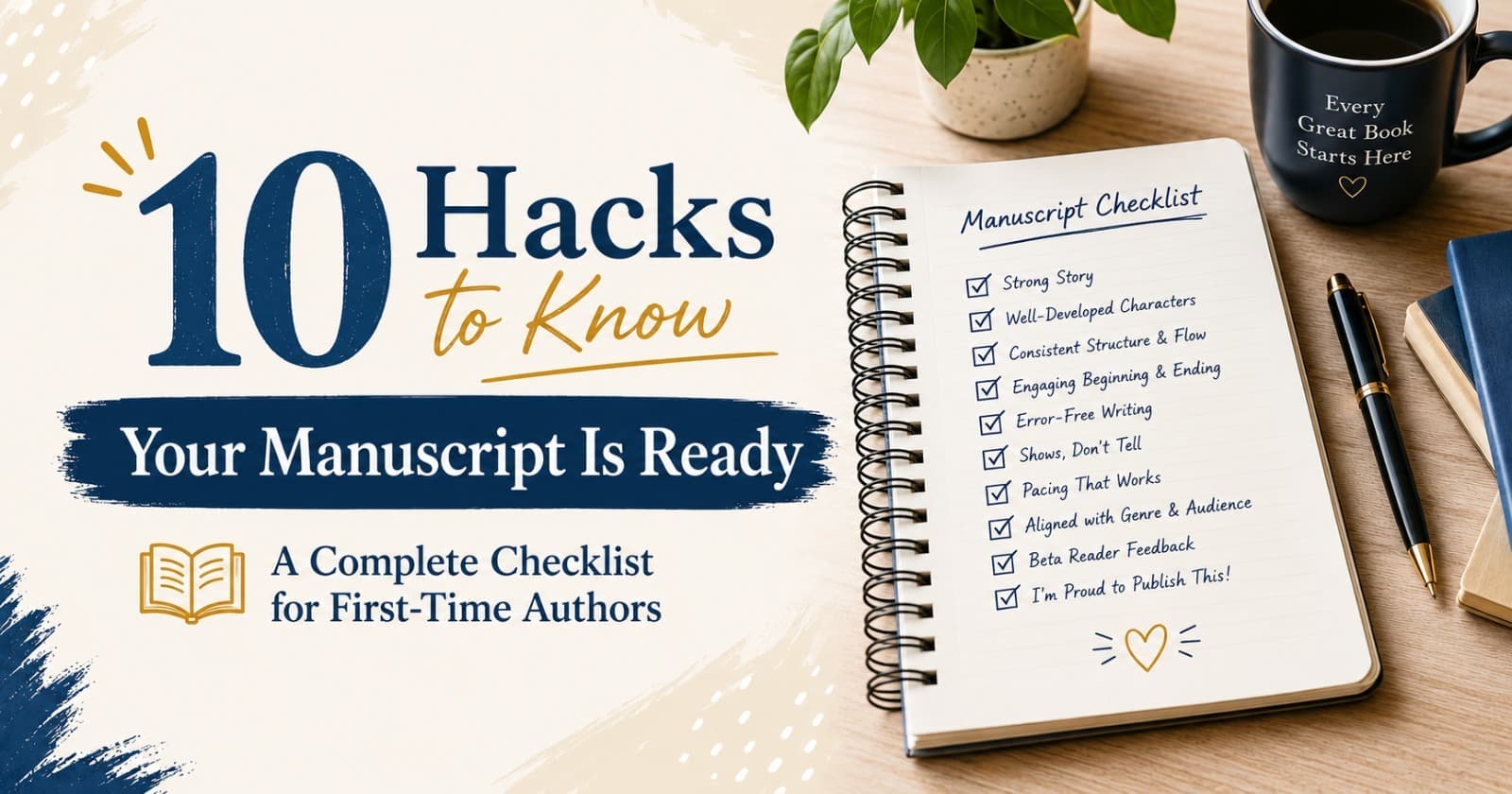
Table of Contents
Completing your manuscript is a major achievement, but finishing the final chapter doesn't necessarily mean your book is ready for publication. Whether you're planning to self-publish or approach traditional publishers, submitting a manuscript before it's truly polished can lead to missed opportunities and unnecessary revisions.
If you're wondering ‘how to know if my manuscript is ready for publishing’, you're not alone. Most first-time authors struggle to judge their own work objectively. That's why following a structured checklist can help you identify gaps before your manuscript reaches readers or publishers.
Every successful non-fiction book has a well-defined purpose.
Ask yourself:
If your message feels scattered, it's worth refining the structure before moving forward.
Readers expect ideas to build naturally from one chapter to the next. Abrupt transitions or disorganised content can reduce engagement, even if the information itself is valuable.
Many authors overlook structural issues because they've read their manuscript countless times. A fresh review often reveals problems that are difficult to spot on your own.
A strong non-fiction manuscript relies on credibility.
Before publishing, verify that:
Unsupported claims can erode reader trust and weaken your book's overall impact.
Consistency goes beyond grammar.
Look for:
One weak chapter can affect the reader's perception of the entire book.
One of the biggest mistakes first-time authors make is relying only on friends or family for feedback.
While their encouragement is valuable, they may hesitate to point out weaknesses.
Professional manuscript review services provide a more objective assessment by evaluating elements such as structure, readability, logical flow, clarity, and overall effectiveness before you invest in editing or publishing. Modern AI-powered review platforms can also deliver detailed reports in a matter of hours, helping authors quickly and affordably identify areas for improvement.
The opening chapters determine whether readers continue.
Ask yourself:
If the opening feels slow or confusing, revise it before publication.
A strong conclusion should leave readers with clear takeaways and a sense of completion.
Check whether your ending:
The final impression often influences how readers remember your book.
Before publishing, perform a final review for technical issues, including:
These small errors can affect your credibility even if the content itself is excellent.
Instead of reading like the author, read like someone encountering the book for the first time.
Consider:
Confidence is important, but objectivity is even more valuable.
Many successful authors use manuscript assessments before publication to identify structural weaknesses, pacing issues, readability concerns, or areas where their arguments could be stronger. An independent review helps ensure you're submitting the strongest possible version of your work rather than relying solely on personal judgment. Manuscript AI, for example, provides chapter-by-chapter analysis, readability metrics, structural evaluation, and actionable recommendations designed specifically for non-fiction authors before they move to professional editing or publishing.
Knowing if your manuscript is ready for publishing isn't about achieving perfection. It's about making sure your ideas are clear, your structure is strong, and your readers will have the best possible experience.
Before taking the next step toward publication, work through this checklist carefully. If you're still unsure, seeking feedback through reliable manuscript review services can provide the objective insights needed to strengthen your manuscript and publish with greater confidence.

Co-founder of Manuscript AI | Ex-Bain & Co, Ex-Founder Writee AI (Acquired’23)